Choosing Between A King William Loft And Historic Home
Trying to decide between a King William loft and a historic home? It is a smart question, because in this part of San Antonio, both options can be full of character, style, and personality. If you are drawn to design, walkable urban living, and homes that feel anything but generic, this guide will help you compare how each choice tends to function day to day. Let’s dive in.
King William sits just south of downtown San Antonio on the east bank of the San Antonio River. The City of San Antonio describes the district as bounded by the river, Cesar Chavez Boulevard, South St. Mary’s Street, and South Alamo Street.
It also carries deep historic significance. King William became San Antonio’s first local historic district in 1968 and was added to the National Register in 1972, with the neighborhood later expanded to include additional historic blocks.
What makes the area especially interesting for buyers is its mix of housing types. City sources describe everything from early cottages and caliche block houses to larger late-19th-century residences, along with later bungalows and infill properties.
King William is also part of a broader arts and adaptive-reuse setting. The neighborhood is closely tied to galleries, live music, historic sites, and the nearby Blue Star area, where industrial buildings were converted into mixed-use spaces with lofts and artist workspaces. That gives buyers a very real local backdrop for comparing loft living with a traditional historic house.
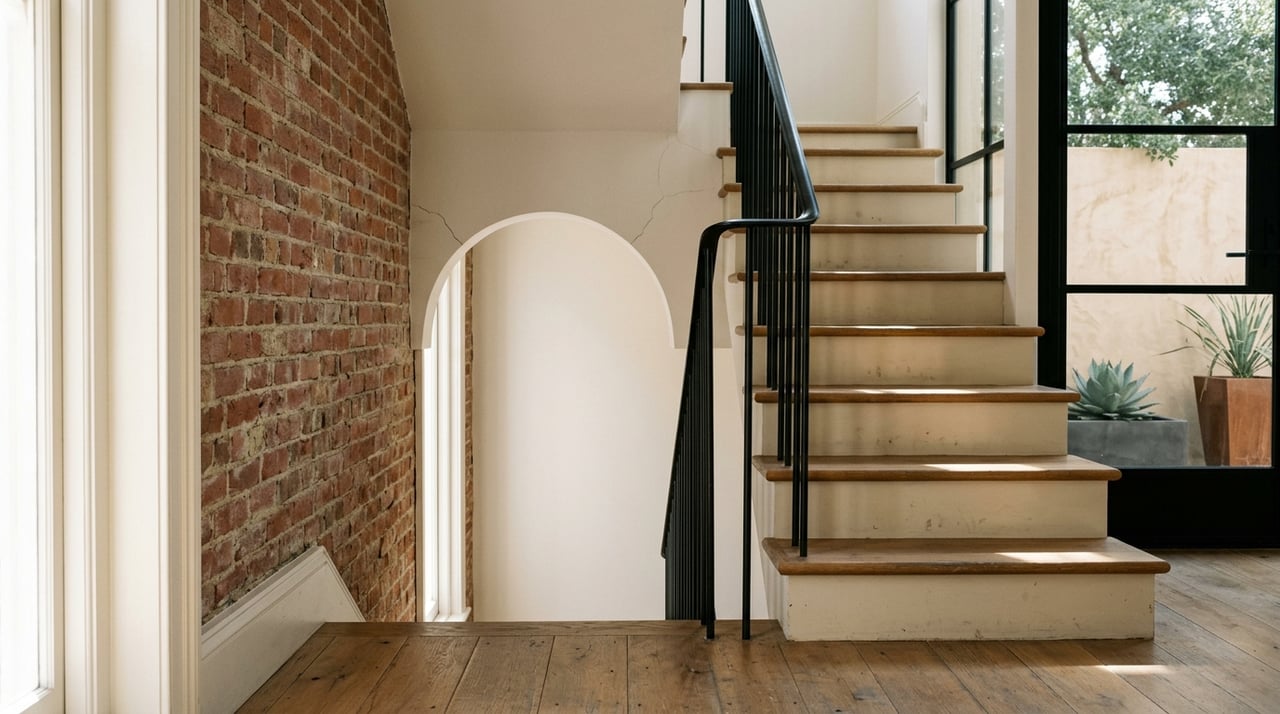
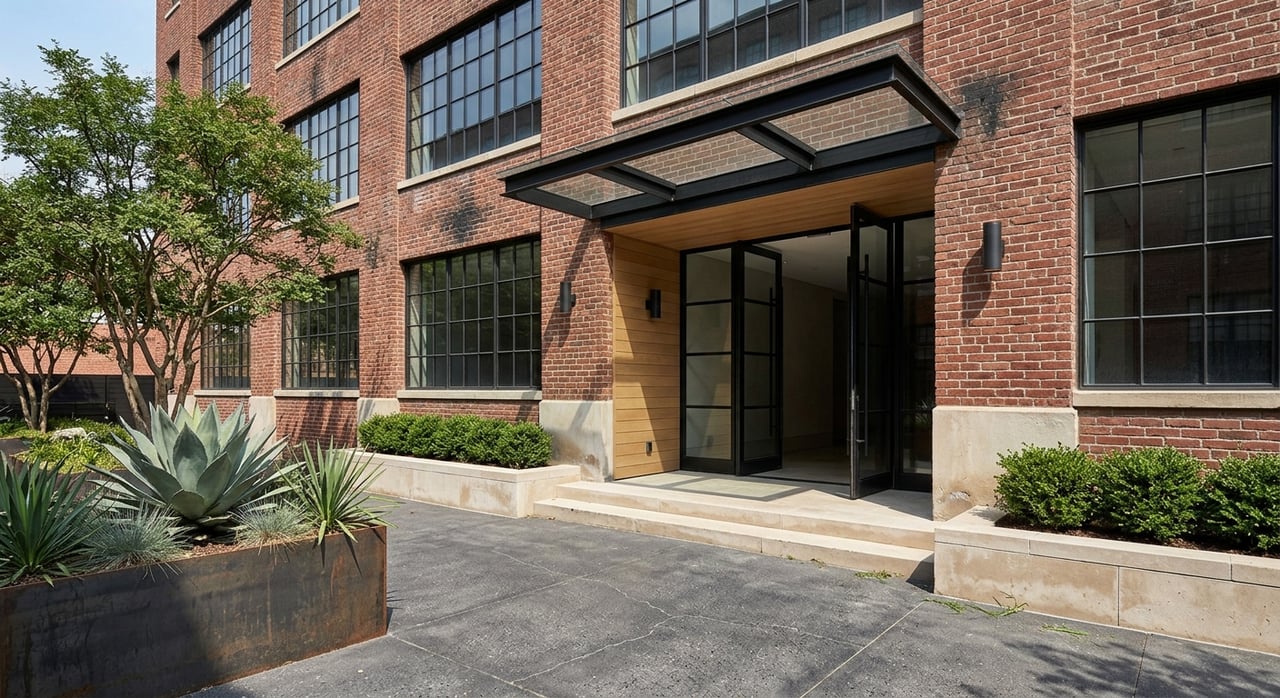
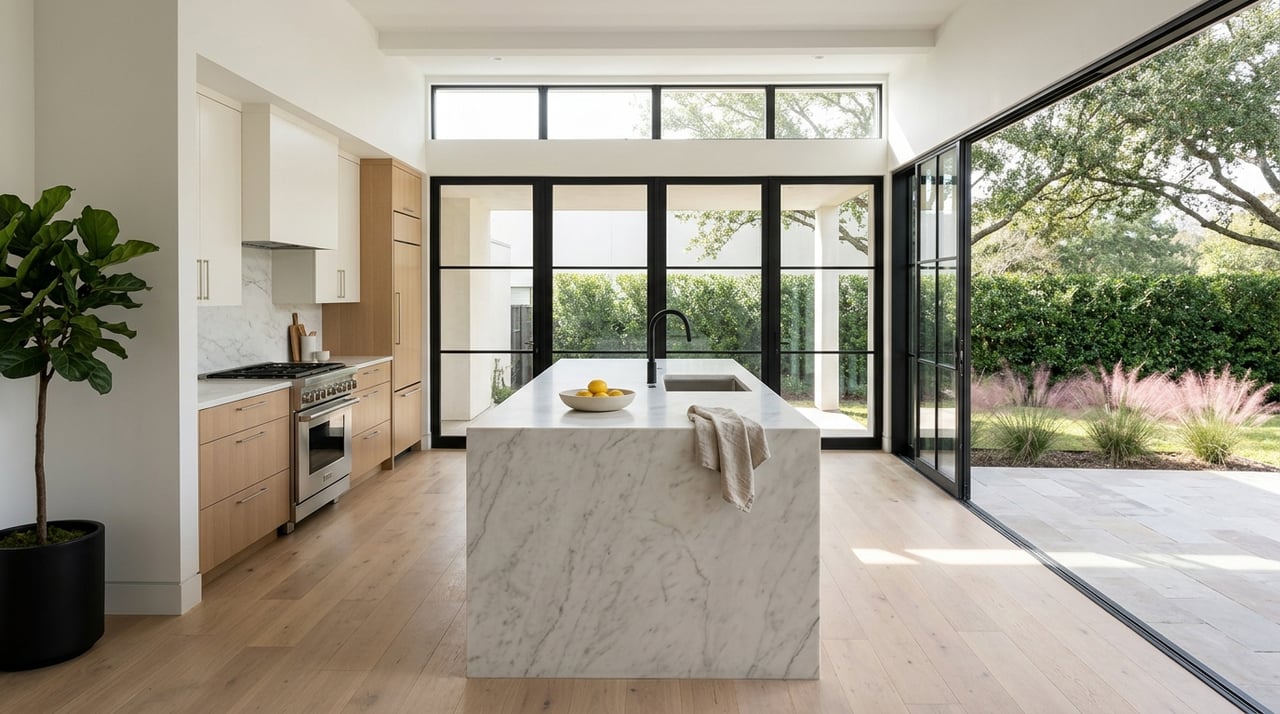
A loft is typically a large upper-story or converted industrial space with fewer interior walls. It often features high ceilings, large windows, exposed brick, beams, or ductwork, and strong natural light.
For many buyers, that layout feels inspiring. You may love the blank-canvas quality if you want a home that works for entertaining, displaying art, or blending living and working space.
In the King William area, that kind of setup often pairs well with the neighborhood’s creative energy. If you are drawn to an airy, gallery-like feel, a loft may match your style.
That same openness can create compromises. Lofts often have less dedicated storage, fewer private rooms, and more sound travel because there are fewer partitions.
Utility costs can also feel different in some older converted buildings. Because many industrial structures were not originally designed as housing, comfort and efficiency can vary more than buyers expect.
If you love openness but need quiet corners, strong separation between rooms, or lots of hidden storage, it is worth paying close attention during tours. A beautiful loft can still feel less practical if your daily routine depends on privacy and structure.
A historic home in San Antonio does not have to be a mansion. According to the city’s homeowner handbook, the term can apply to a house that is at least 50 years old and still retains its character-defining features.
In King William, though, many historic homes are known for size and detail. The district’s official history notes that most houses were built between 1850 and 1899 and are generally larger, more ornate, and on larger lots than many homes south of South Alamo Street.
That said, the historic-home category here is broad. You may find a compact cottage, a bungalow, or a more substantial residence with layered architectural detail.
One of King William’s biggest strengths is that it is not one-note. The neighborhood includes Greek Revival, Victorian, Italianate, Queen Anne, Classical Revival, Second Empire, Richardsonian Romanesque, Folk Victorian, and Craftsman influences.
In practical terms, that often means more defined rooms, more trim and material detail, and a stronger sense of period character than you typically get in a loft. If you want a home where each room has a purpose and the architecture itself helps set the mood, a historic house may feel like the better fit.
Privacy is one of the clearest differences. Lofts usually have fewer walls, so sound tends to travel more easily from one area to another.
Historic homes often offer more separation between living areas and bedrooms. Even if the layout feels older or a little quirky, the room division can make daily life feel calmer and more private.
Lofts can be surprisingly large while still offering limited storage. Open-plan design does not always leave room for generous closets, attics, garages, or tucked-away utility spaces.
Historic homes may offer more storage options, especially if there are outbuildings, attic areas, or garages. Still, it is important to confirm what is actually usable rather than assume more square footage means better storage.
Outdoor space often tips the scale for buyers who want room to spread out. Because many King William historic homes sit on larger lots, private yards, porches, and more layered indoor-outdoor entertaining are often more realistic.
Lofts are more likely to rely on smaller patios, terraces, or shared amenities. If private outdoor space matters to you, this is one of the first features to compare.
Lofts tend to shine when you want one large, flexible setting for casual gatherings. They can work especially well if you prefer contemporary interiors, large art walls, and a more open flow.
Historic homes usually support a different entertaining style. Defined living spaces, front porches, and more traditional room layouts can feel better suited to buyers who want separate zones for dining, relaxing, or hosting.
This is one of the most important practical differences. In San Antonio, properties inside a historic district or individually landmarked properties are subject to city review for exterior work.
The city requires compliance with Historic Design Guidelines, and exterior changes, additions, or new construction generally need written approval through a Certificate of Appropriateness from the Office of Historic Preservation. That does not mean you must restore everything or that the property’s permitted use automatically changes. It does mean there is an added preservation review layer when you plan future exterior improvements.
If you are considering a historic house, you do not have to sort through everything alone. The King William Association offers a free Architectural Advisory Committee as a local resource before a project goes to the city.
That kind of guidance can be valuable if you want to update a property while respecting the neighborhood’s historic character. For many buyers, this is less about avoiding change and more about understanding the process before making plans.
When you tour a loft or historic home in King William, the listing may not tell you everything you need to know. These questions can help you compare properties in a more practical way:
A loft usually makes the most sense if you want openness, light, and flexibility. You may be happiest in a loft if your style leans modern or artistic and you like the idea of a home that can adapt to entertaining, creative work, or a less traditional layout.
A historic home usually makes more sense if you want privacy, architectural detail, and more clearly defined living spaces. You may prefer this option if you value porches, yards, period craftsmanship, and a home that feels rooted in the history of the neighborhood.
In King William, the choice is rarely about whether one option is more interesting than the other. Both can be compelling. The better question is how you want your home to support your daily routine, design preferences, and future plans.
If you want a thoughtful second opinion while comparing distinctive properties in King William, Claudia Wheeler offers the kind of local, design-aware guidance that can help you weigh charm, function, and long-term fit with more confidence.
Get assistance in determining current property value, crafting a competitive offer, writing and negotiating a contract, and much more. Contact me today.
Get In Touch With Me To Learn More
CLAUDIA BERTEAUX
6061 Broadway San Antonio, TX 78209