Where To Find Walkable, Design‑Forward Living In San Antonio
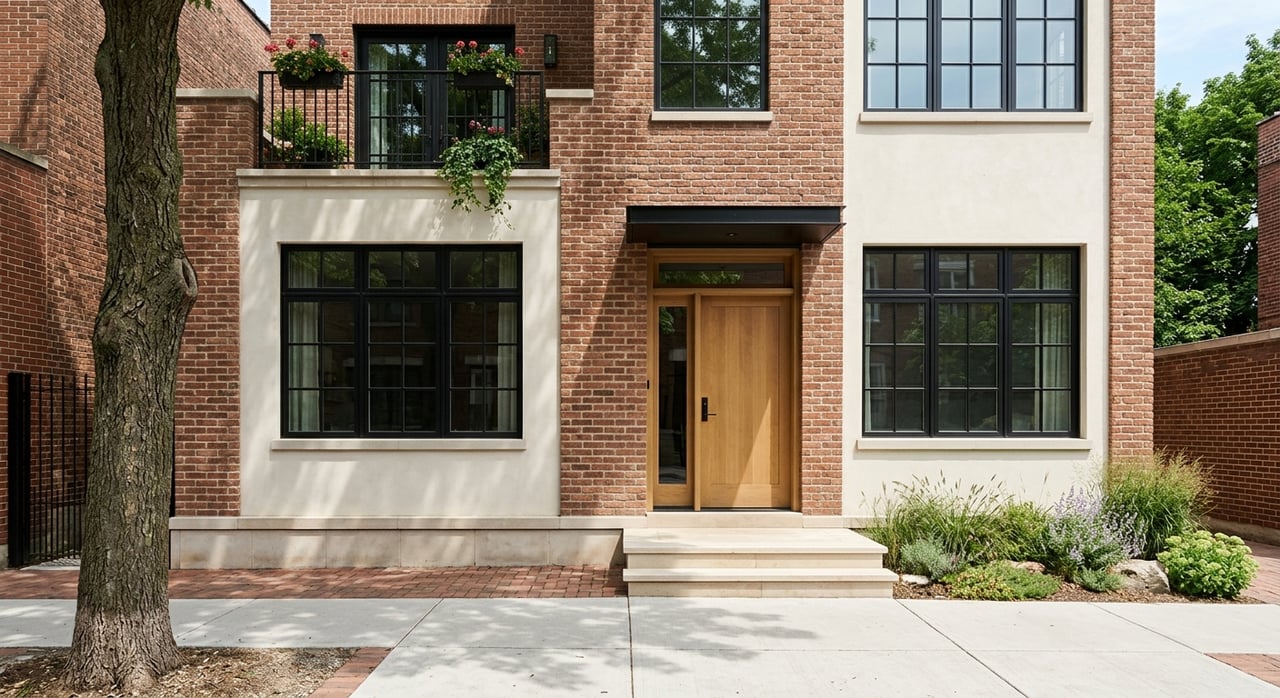
If you want a San Antonio home that feels both stylish and connected, location matters as much as architecture. The city’s most walkable, design-forward areas tend to sit in or near historic districts, where older street grids, street-facing homes, and neighborhood-scale commercial pockets create a more urban rhythm. Whether you are drawn to a bungalow near a trail, a condo near markets and dining, or a historic home with real architectural presence, San Antonio offers several standout options. Let’s dive in.
In San Antonio, walkable living often overlaps with historic preservation. The City of San Antonio has 32 local historic districts, and those districts help protect buildings from hasty demolition while encouraging more thoughtful design review. For buyers, that often translates into neighborhoods with lasting architectural character and a stronger sense of place.
The other major piece is the river corridor. Downtown’s River Walk, along with the Museum Reach and Mission Trails connections, creates a public-space backbone for walking and biking through central San Antonio. That means design-forward living here is not only about what your home looks like, but also about how easily you can move through the city.
Southtown works best as a broader lifestyle district rather than a single neighborhood. It includes areas such as King William, Lavaca, Collins Garden, Lone Star, and Roosevelt, and it is known for galleries, coffee shops, boutiques, public art, parks, river access, and recurring First Friday and Second Saturday art walks. If you want a more out-and-about routine, this part of San Antonio is hard to ignore.
What makes Southtown especially appealing is its mix of neighborhood texture and everyday activity. You can find historic homes, local businesses, and cultural destinations layered together in a way that supports a more car-light lifestyle. It feels creative, social, and distinctly urban without losing San Antonio character.
King William is one of the clearest examples of design-forward urban living in San Antonio. The district sits between the San Antonio River, Cesar Chavez Boulevard, South St. Mary’s Street, and South Alamo Street, and most of its homes were built between 1850 and 1899. Many are larger, more ornate homes on larger lots, which gives the neighborhood a strong architectural identity.
It was also the city’s first designated historic district in 1968. If you are drawn to Victorian-inspired homes and want a neighborhood with visual presence, river proximity, and easy access to Southtown’s dining and arts scene, King William stands out.
Just southeast of downtown, Lavaca offers a different version of walkable historic living. The neighborhood sits about two blocks east of King William and south of Hemisfair, and it is known for smaller late-1800s and early-1900s homes. You will see a mix of modest Queen Anne houses, Classical Revival porches, Craftsman bungalows, and a small commercial edge along its western side.
For many buyers, Lavaca feels more approachable in scale than King William while still being part of the same south-side core. Its trail access and location near South Presa and the Mission Trails area also support the kind of short-trip living that makes central San Antonio appealing.
If your version of walkability includes markets, restaurants, retail, and public gathering space all in one place, Pearl is one of San Antonio’s strongest options. The former brewery dates to 1883 and was redeveloped into a 23-acre mixed-use district. Today, it functions as a concentrated amenity hub with restaurants, locally owned storefronts, cultural partners, and regular market activity.
Pearl is also designed for a car-light routine. The district describes itself as walkable, with bicycle parking and nearby transit stops, and it sits along the Museum Reach section of the River Walk. Its Saturday farmers market, Sunday artisan market, and seasonal Wednesday night markets add another layer of everyday convenience and energy.
Just north of the city core, Tobin Hill gives you access to the Pearl area while offering one of San Antonio’s oldest urban neighborhood settings. The city notes a wide architectural mix here, including late Victorian homes, Craftsman bungalows, Colonial Revival houses, Tudor influences, and four-square homes. That range makes it appealing if you want character and location, not just one or the other.
The neighborhood has also benefited from the Pearl redevelopment and the River Walk extension. For buyers who want a central address with more housing variety than a single mixed-use district can offer, Tobin Hill deserves a close look.
Within Tobin Hill, East French Place is a smaller, more cohesive historic pocket. The city describes it as a Craftsman bungalow area with clipped front gables, similar decorative details, and linear front walkways and driveways. If you are specifically hunting for bungalow-era charm and a strong block-by-block visual identity, this is one of the most distinctive places to explore.
Some of San Antonio’s most interesting design-forward neighborhoods sit east of downtown. These areas can offer strong architecture, a traditional street grid, and proximity to the urban core, but walkability may vary more from block to block. For the right buyer, that tradeoff can be worth it.
Dignowity Hill is one of the clearest examples of a walkable historic grid east of downtown. The city describes one-and-a-half- to two-and-a-half-story dwellings, duplexes, front doors and windows facing the street, some alley-accessed parking, and roughly forty historic landmarks. Those details matter because they shape how the neighborhood feels when you move through it on foot.
If you care about frontage, rhythm, and the visual experience of a street, Dignowity Hill has a lot to offer. It is a good fit for buyers who want urban character and architectural texture close to downtown.
Government Hill is another historic community with real design interest. Developed largely between the 1890s and 1930s, it includes an official historic district, more than thirty historic landmarks, and a grid layout with buildings oriented to the street. It is also close to downtown, Pearl, the River Walk, and Fort Sam Houston.
At the same time, this is one of the best examples of why block-level context matters. The city notes barriers created by the Union Pacific switching yards, I-35, US 281, and Fort Sam Houston, so walkability here is real but not consistent everywhere. If you are considering Government Hill, it helps to evaluate not just the neighborhood name, but the exact location.
Not every design-forward neighborhood is built around the same level of mixed-use activity. Some areas are more residential in feel and appeal most to buyers who want architectural depth, mature streetscapes, and a central location rather than a café on every corner.
Monte Vista is especially strong on architectural breadth. The city highlights Classical Revival, Tudor, Spanish Eclectic, Queen Anne, and Craftsman homes from the early 20th century, giving the neighborhood a rich visual mix. If you enjoy comparing facades, rooflines, and period details, Monte Vista offers plenty to appreciate.
This is often a better fit for buyers who want a formal historic neighborhood feel rather than a highly mixed-use one. You may give up some of the immediate retail density found in Southtown or Pearl, but you gain one of the city’s most varied collections of residential architecture.
Olmos Park Terrace is another strong design-forward pocket north of downtown. The district is known for English stone cottages and minimal traditional homes, many built with stone veneer over reinforced concrete and attached garages. It feels more residential than urban, but that is part of its appeal.
If your priority is distinctive architecture in a quieter setting, Olmos Park Terrace belongs on your shortlist. It offers memorable house styles and a clear visual identity, even though it does not function like a mixed-use district.
The best neighborhood for you depends on what kind of walkable life you actually want. Some buyers want to step outside and reach dining, markets, and events within minutes. Others care more about architectural integrity, a connected street grid, and the ability to enjoy central San Antonio without depending on a long drive for every outing.
A simple way to narrow your search is to think in layers:
It is also worth remembering that walkability in San Antonio can shift quickly by block. Trail access, river connections, infrastructure barriers, and the presence or absence of neighborhood-serving businesses all shape the day-to-day experience. A local, block-level perspective matters, especially when you are buying for both lifestyle and long-term fit.
If you are searching for a home that blends architecture, location, and everyday livability, working with someone who understands San Antonio’s historic and design-driven neighborhoods can make the process much clearer. From Southtown bungalows to Pearl-adjacent condos to architecturally distinct homes in Monte Vista or Olmos Park Terrace, Claudia Wheeler can help you find the right match for how you want to live.
Get assistance in determining current property value, crafting a competitive offer, writing and negotiating a contract, and much more. Contact me today.
Get In Touch With Me To Learn More
CLAUDIA BERTEAUX
6061 Broadway San Antonio, TX 78209