Olmos Park For Design‑Minded Buyers
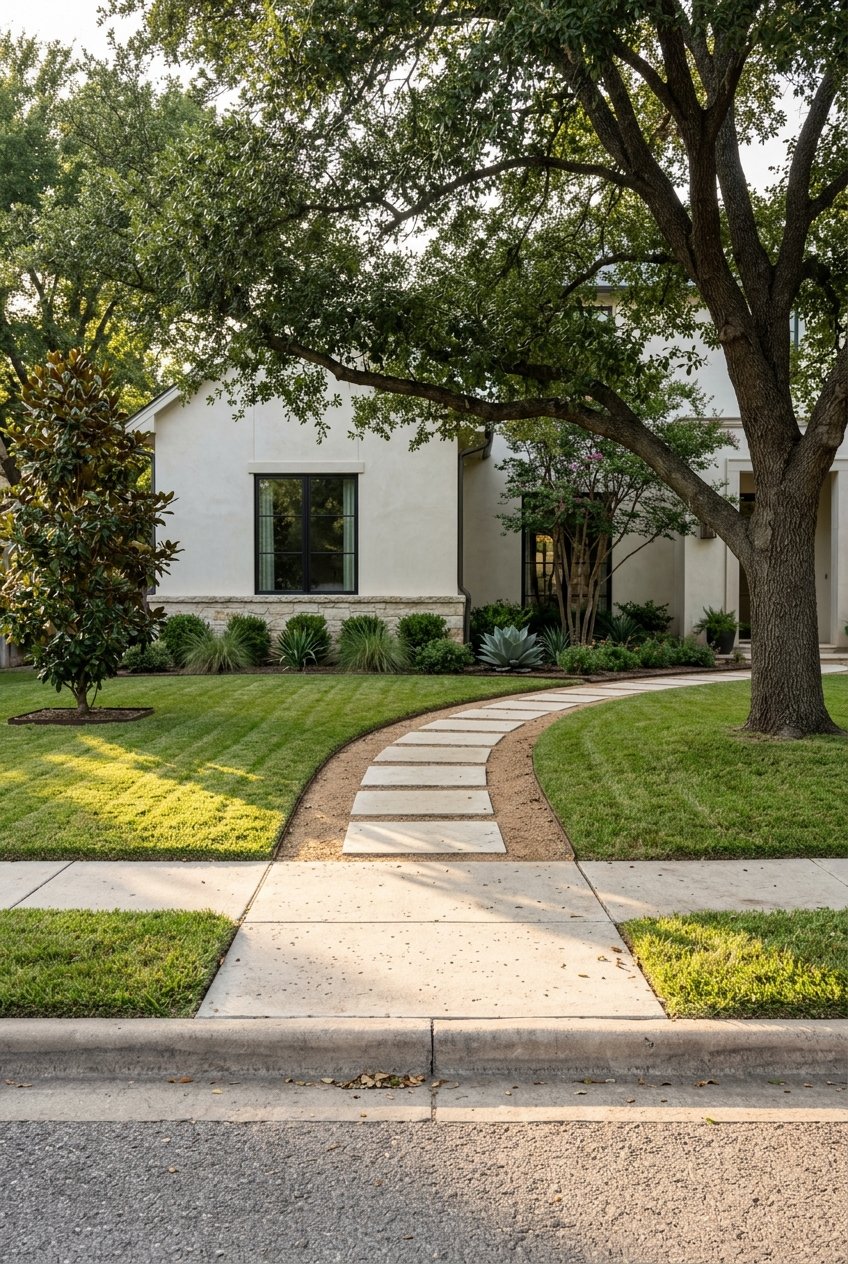
If you care as much about a home’s lines, light, and setting as you do its square footage, Olmos Park deserves a close look. This small enclave in central Bexar County offers a rare mix of mature trees, architectural variety, and a location that keeps you connected to the best of San Antonio. For design-minded buyers, it is the kind of place where the streetscape matters, the homes feel distinct, and daily life stays convenient. Let’s dive in.
Olmos Park is compact by design, covering about 0.61 square miles in central Bexar County. It sits roughly four miles north of downtown San Antonio and five miles south of the airport, which gives you a central location without feeling like you are in the middle of constant city motion.
The city describes itself as surrounded by San Antonio, with wooded park space to the north and east and residential areas to the west and south. That setting helps create a tucked-away feel, even though shopping, dining, and major destinations are close by.
For buyers who notice atmosphere first, Olmos Park makes a strong impression. Its history as a 1920s development still shows up in oak-lined drives, green space, and a park-like layout that gives the neighborhood visual rhythm and softness.
Some neighborhoods win you over before you ever step inside a home. In Olmos Park, that often starts with the streets themselves, where mature trees and historic gaslights help create an older residential character.
The city’s history also points to Contour Drive as a scenic route favored by runners and cyclists. That detail says a lot about the neighborhood experience. This is a place where the public realm still contributes to everyday enjoyment, not just the homes behind the front doors.
For design-minded buyers, that matters. A beautiful house feels even stronger when the surrounding streetscape supports it.
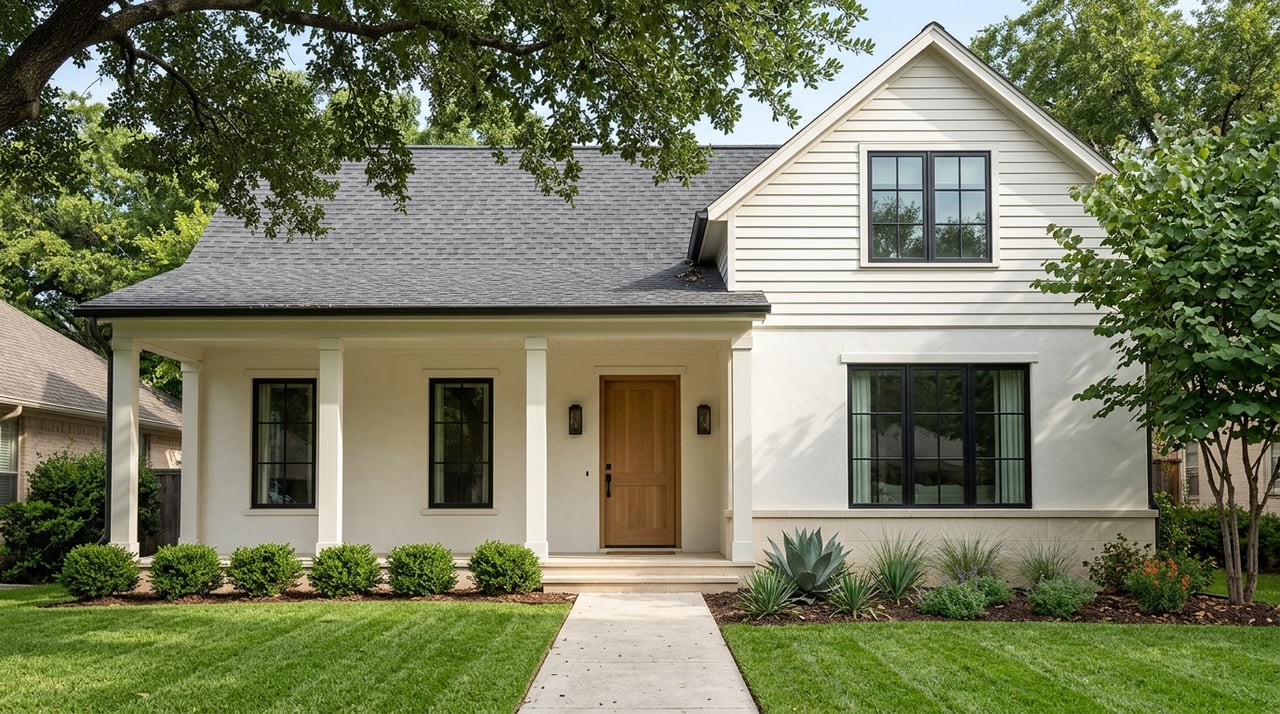
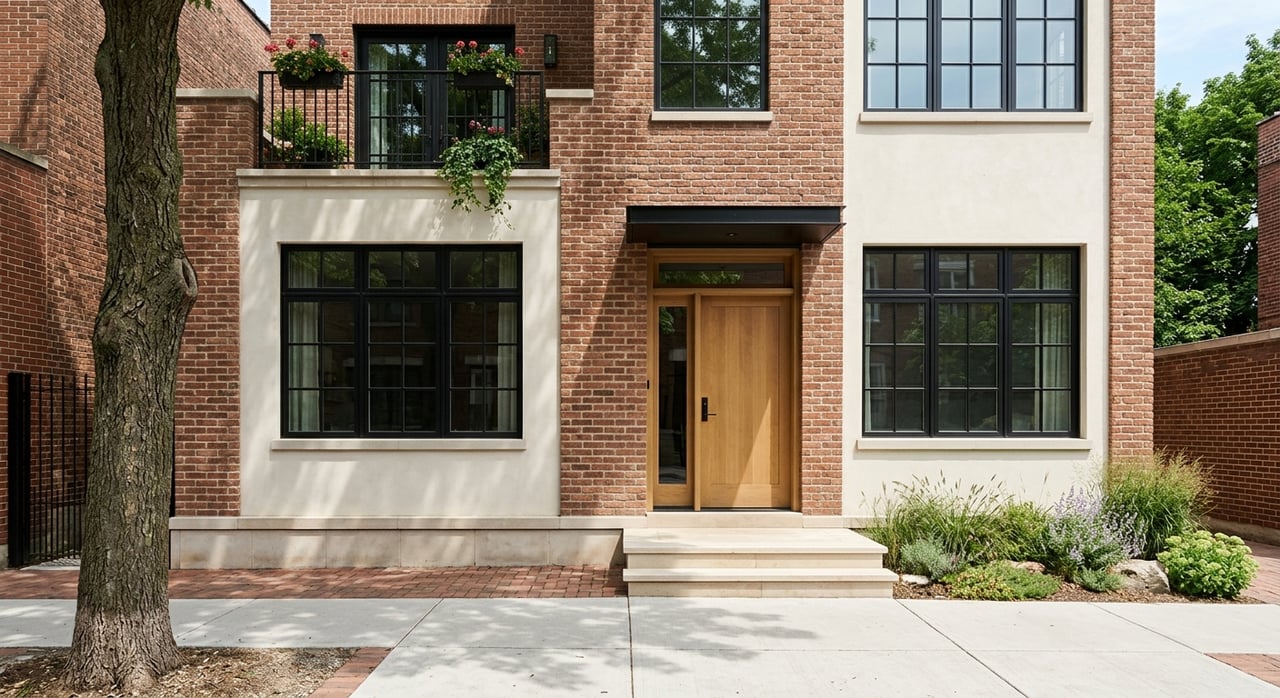
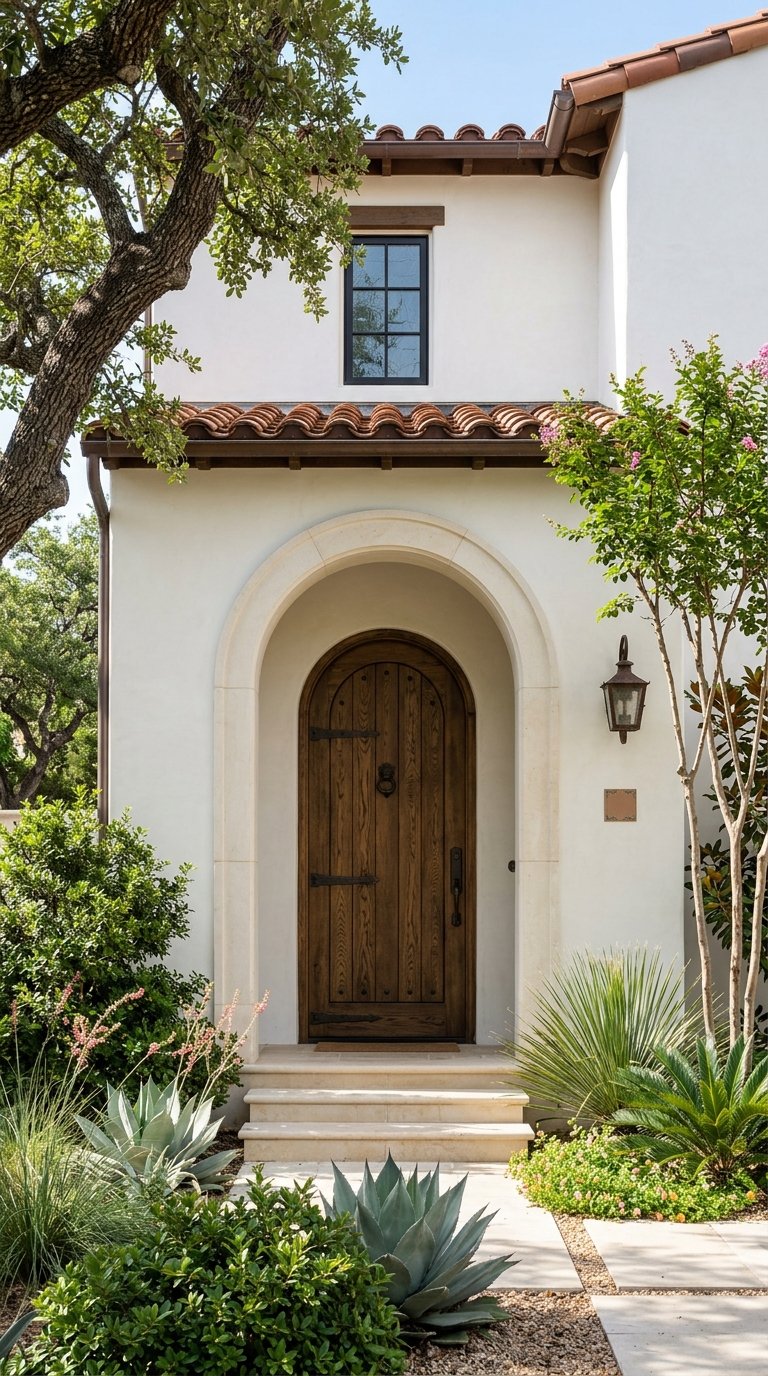
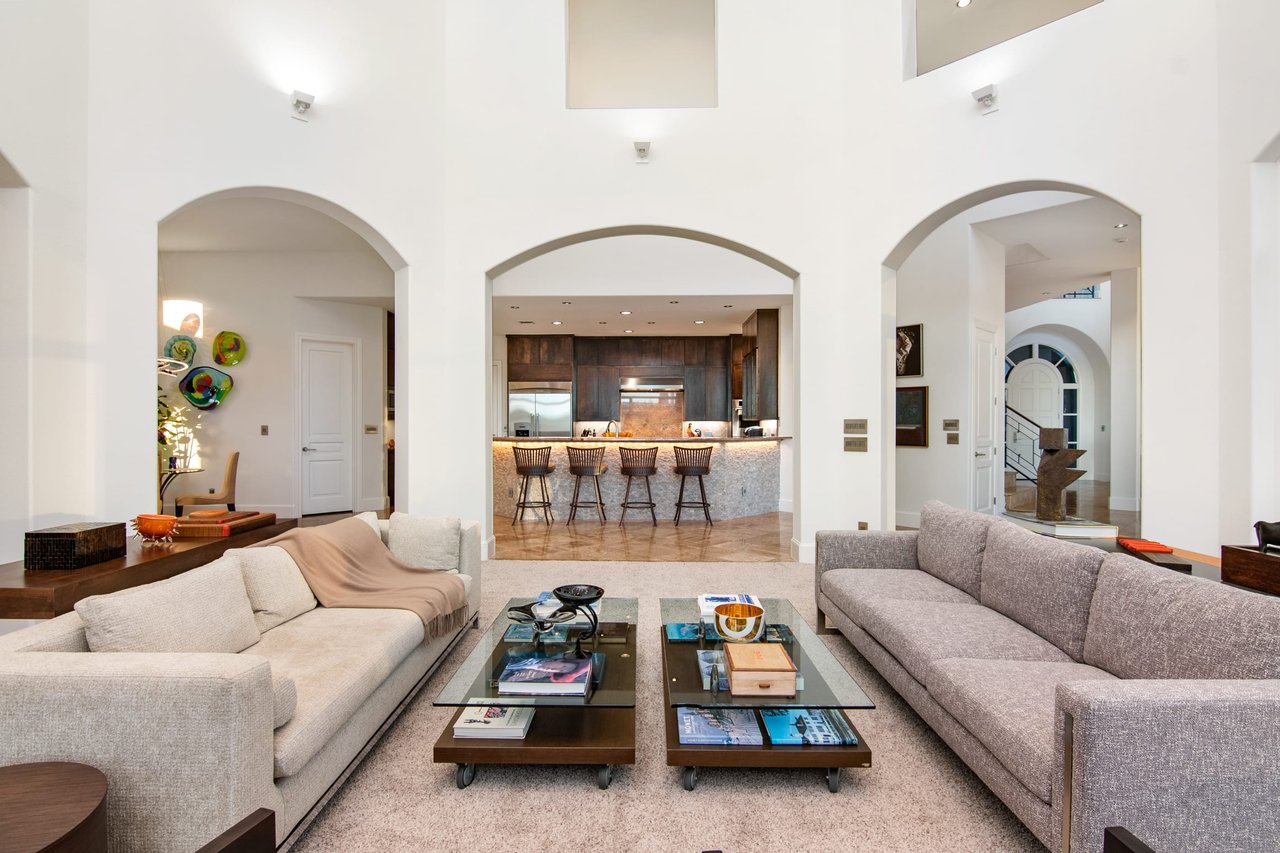
Olmos Park has more than 800 single-family homes and about 250 apartment units. The city says its residential architecture spans historic 1920s construction to contemporary new builds, with many styles represented across the neighborhood.
That variety is a major part of the appeal. If you are drawn to original character, you may find homes with period details and established landscaping. If your taste leans more current, there are also newer homes that bring a fresh architectural point of view.
This range gives buyers room to prioritize what matters most. You may be looking for a home with historic charm, a cleaner modern layout, or a property with the potential to blend both.
If you are considering a home that needs updates, Olmos Park offers both opportunity and structure. The city requires permits for most construction and demolition work, and larger projects may require surveys, plats, and blueprints.
The building department reviews projects for zoning and code compliance. In practical terms, that means remodel plans usually need thoughtful preparation before work begins.
The city’s guidance also notes that demolition requires a permit, while state law limits how much the city can regulate specific building materials unless a property is part of a qualifying historic-protection process. For you as a buyer, that creates an interesting middle ground. Character and customization are possible, but they usually come with a formal review process.
Olmos Park’s zoning map divides the city into seven districts. These include four single-family residence districts, plus an apartment district, a local retail district, and a mixed retail commercial district.
For buyers, this matters because zoning helps shape the feel and function of different parts of the city. If you are comparing homes, understanding what surrounds a property can give you a clearer picture of future use patterns and day-to-day context.
In a small enclave like Olmos Park, that kind of detail can be especially useful. It helps you evaluate not just the home itself, but how it fits into the broader block and city layout.
Design appeal gets your attention, but daily ease is what makes a neighborhood work over time. Olmos Park supports that with visible, practical city services that help routines feel more predictable.
The city publishes curbside garbage and recycling schedules and offers bulk pickup twice a year in April and October. It also provides an out-of-town notification form so police can monitor a home while residents are away.
The fire department adds another layer of practical support with free home safety surveys and free smoke alarm installation for residents. These may seem like small details, but they contribute to a sense of order and care that many buyers value.
Olmos Park offers four parks, with Alameda Circle as the largest. The city also connects Alameda Circle to recurring community events such as Fiesta, Independence Day, National Night Out, Halloween, and Christmas gatherings.
That event calendar gives the neighborhood a shared rhythm throughout the year. Even if you are focused first on architecture and location, it is helpful to know that public spaces here are active and woven into community life.
Nearby access also adds to the appeal. The city notes proximity to places like Olmos Basin Park, Brackenridge Park, the Pearl, the Quarry, and North Star Mall, which broadens your options for recreation, dining, and errands.
Olmos Park’s commercial corridor helps balance the residential setting with everyday convenience. The city describes the business district as home to restaurants, convenience stores, salons, furniture shops, music stores, and service businesses.
For a design-conscious buyer, Olmos Park Village Center adds an extra layer of interest. The city highlights local retail there, including Hunt Gallery and Refined Aesthetic, which reinforces the area’s design-aware feel.
Dining along or near McCullough also leans local and independent. Current examples include Mary Lou’s Cafe, Sabor Cocina Bar, Full Belly Cafe + Bar, Pesto Ristorante, and Olmos Pluma. Together, they suggest a corridor with personality rather than a chain-heavy retail experience.
One of the strongest things about Olmos Park is how it pairs atmosphere with access. You can enjoy a residential setting with mature trees and varied architecture while still being near downtown, the airport, and major retail anchors.
The city also notes VIA bus service on McCullough, along with an H-E-B grocery store just a few blocks beyond the city limits. That mix of local texture and practical convenience can be hard to find in a neighborhood that still feels visually distinct.
For many buyers, that is the sweet spot. You do not have to choose between character and connection.
Olmos Park appeals to buyers who want more than a standard house in a standard setting. The neighborhood offers mature landscaping, homes from different eras, and a compact footprint that feels curated rather than sprawling.
It is especially compelling if you care about proportion, materials, renovation potential, and the way a home relates to its surroundings. In Olmos Park, the visual experience extends beyond the property line.
That does not mean every home will fit every taste. It does mean the neighborhood gives you a richer set of options to explore if design plays a real role in how you choose where to live.
If you are serious about buying in Olmos Park, it helps to look beyond finishes alone. Pay attention to the home’s era, the surrounding streetscape, and whether your long-term plans might involve updates or expansion.
A thoughtful search often includes questions like these:
In a neighborhood with this much architectural range, clarity on your priorities can make your search much more focused.
If you want help evaluating homes in Olmos Park through both a design and lifestyle lens, Claudia Wheeler offers the kind of local, detail-driven guidance that can help you make a confident decision.

Get assistance in determining current property value, crafting a competitive offer, writing and negotiating a contract, and much more. Contact me today.
Get In Touch With Me To Learn More
CLAUDIA BERTEAUX
6061 Broadway San Antonio, TX 78209