Comparing Central San Antonio Neighborhoods For Relocating Buyers
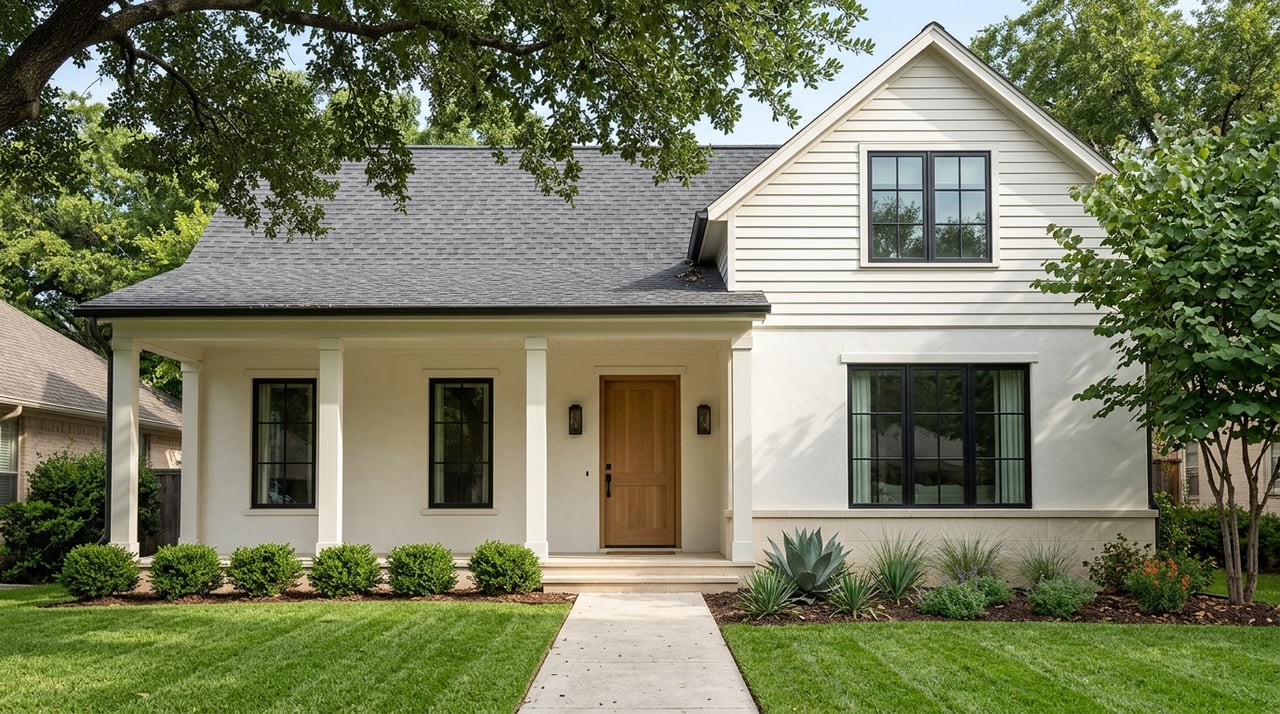
Relocating to San Antonio can feel simple on a map and surprisingly nuanced once you start driving the neighborhoods. A home that looks close to downtown, the Pearl, or the Medical Center may offer a very different daily rhythm depending on the block, the street pattern, and the local rules that shape the property. If you are comparing central San Antonio neighborhoods, this guide will help you sort through the differences that matter most so you can focus on fit, not just distance. Let’s dive in.
Central San Antonio is not one uniform area. In just a few miles, you can move from municipally distinct communities like Alamo Heights and Olmos Park to historic San Antonio neighborhoods like Monte Vista and Tobin Hill, each with its own housing styles, review rules, and day-to-day feel.
For relocating buyers, that means your best choice often comes down to how you want to live. Commute patterns, access to parks and cultural destinations, and the level of oversight for future exterior changes can shape your experience as much as the house itself.
Alamo Heights is a separate home-rule municipality about 4.5 miles north of downtown San Antonio. The city describes its development as shaped by scenic vistas, mature trees, and a residential mix that evolved over time rather than following one subdivision pattern.
That variety is part of the appeal if you are drawn to homes with character. You may find a broader mix of architectural styles and lot settings than you would in a more uniform neighborhood environment.
Alamo Heights also maintains residential design standards and an Architectural Review Board for certain project types. If you value a more formal process around exterior changes, that can be a meaningful factor when you compare it with nearby areas.
The city’s separate municipal identity also matters in practical ways. Two homes near one another in central San Antonio can fall under different local governments, service structures, and development expectations.
Olmos Park is also its own city, fully surrounded by San Antonio. The city highlights tree-canopied streets, large lots, and a small-town municipal identity, which often appeals to buyers who want a more residential setting while staying close to the urban core.
Nearby Olmos Park Terrace offers a different kind of character. It is a local historic district known for early twentieth-century homes, with the city describing the area as made up primarily of English stone cottages and minimal traditional homes.
On paper, these two areas can seem similar because both are central, established, and municipally distinct. In person, the differences may come down to lot size, street feel, tree cover, and the type of home inventory you prefer.
If you are considering Olmos Park Terrace specifically, historic district rules deserve extra attention. Buyers should verify the exact parcel because local historic review applies block by block rather than by broad neighborhood label.
Monte Vista is a local historic district slightly north of downtown. The city describes its housing stock as a mix of Classical Revival, Tudor, Spanish Eclectic, Queen Anne, and Craftsman styles, with character tied to San Antonio’s Gilded Age.
If architecture is high on your list, Monte Vista often stands out quickly. It offers a strong sense of identity and a wide stylistic range that can be especially appealing to buyers looking for a home with visual history and original detail.
Because Monte Vista is a local historic district, exterior work is subject to city historic-design review. San Antonio states that properties within local historic districts must comply with Historic Design Guidelines and related development codes, and some exterior projects may require review by the Office of Historic Preservation or approval by the Historic and Design Review Commission.
That does not automatically mean the property use changes, and the city notes that historic designation does not automatically increase taxes. Still, if you may want to remodel later, it is smart to confirm what applies before you buy.
Tobin Hill is one of San Antonio’s oldest urban neighborhoods north of the city core. The city describes its homes as including late Victorian residences, Craftsman bungalows, Colonial Revival and Tudor homes, and four-squares.
The neighborhood has also gained renewed appeal through redevelopment and nearby institutions around San Antonio College, the River Walk extension, Pearl, and Fort Sam Houston. For many relocating buyers, Tobin Hill enters the conversation when quick access to downtown and north-central destinations matters as much as architecture.
Tobin Hill can make sense if you want to stay close to activity centers without moving far from the urban core. Compared with some more residential enclaves, it may feel more directly plugged into central San Antonio’s ongoing growth and movement.
That does not make it better or worse than Alamo Heights, Olmos Park, or Monte Vista. It simply serves a different lifestyle, especially if your routine includes downtown, the Pearl, or frequent trips through central corridors.
Commute quality in central San Antonio is not only about mileage. Downtown is a major employment node with 83,800 jobs and 9.9 million square feet of office space, so traffic patterns, corridor choice, and time of day can affect your experience as much as where the neighborhood sits on the map.
For buyers working downtown, neighborhoods north of the core such as Alamo Heights, Monte Vista, and Tobin Hill may all be worth touring. The real difference may come from the route you take and how comfortable that route feels during your normal schedule.
The Medical Center Area is centered on the South Texas Medical Center, a cluster of 45 medical-related institutions that includes 12 hospitals and 5 specialty institutions. The city says the area had 58,500 jobs in 2016 and describes it as separated and auto-dependent.
If you work there, freeway access and parking convenience may matter more than walkability to nearby shops or restaurants. That practical lens can quickly narrow your neighborhood shortlist.
VIA Metropolitan Transit operates 75 routes across its service area and offers downtown service and express routes. For some central-area buyers, that provides a secondary commute option when you do not want to drive every day.
Transit may not be the main reason you choose a neighborhood, but it can still add flexibility. That is especially useful if your work schedule changes or you expect to split time between multiple parts of the city.
One of the biggest advantages of these central neighborhoods is shared access to some of San Antonio’s most recognized destinations. Brackenridge Park is a 400-acre riverside park with trails, fishing, the Japanese Tea Garden, Sunken Garden Theater, the San Antonio Zoo, and nearby San Antonio Botanical Garden.
For many buyers, this Broadway cultural spine becomes a major quality-of-life factor. It connects outdoor space, cultural attractions, and everyday recreation in a way that benefits several nearby neighborhoods at once.
Pearl is a mixed-use district built around the historic Pearl Brewery and now includes dining, shopping, markets, residences, office tenants, and cultural programming. The Museum Reach adds a three-mile pedestrian pathway connecting Pearl with the River Walk network and nearby museums.
That makes Monte Vista and Tobin Hill especially attractive for buyers who want easier access to riverfront activity, dining, and events. If a short drive or bike ride to these destinations matters to you, these neighborhoods may move up your list.
Monte Vista also benefits from the Landa Branch Library, which sits within the Monte Vista Historical District near Alamo Heights, Olmos Park, Brackenridge Park, the zoo, and the Witte Museum. That kind of everyday amenity can matter just as much as headline attractions.
For buyers relocating from out of town, it helps to think beyond landmarks. The most comfortable neighborhood fit often comes from how easily you can reach the places you use during a regular week.
If you are drawn to Olmos Park or the northwest edge of Alamo Heights, nearby access to Olmos Basin Park may also factor into your decision. Even in highly residential areas, park access can shape how a neighborhood functions in daily life.
This is one reason in-person touring matters. A neighborhood can look similar online, yet feel very different once you notice where green space, main roads, and daily-use destinations actually sit.
When you narrow your search, a few practical checks can save you time and help you avoid surprises later. These details are often more useful than broad rankings.
In central San Antonio, school and city boundaries do not always line up neatly with neighborhood names. Alamo Heights ISD, North East ISD, and San Antonio ISD all provide boundary tools or attendance maps, and buyers should confirm the exact address rather than rely on a label in a listing or conversation.
That step is especially important when you are relocating and still learning the area. A home can be near a neighborhood you want while falling under a different school or service boundary than expected.
If you want a municipally distinct setting with mature trees, varied architecture, and more formal residential design oversight, Alamo Heights may rise to the top. If you like the idea of a separate city with large lots and a quieter small-town municipal identity, Olmos Park may feel compelling.
If historic architecture and preservation context matter most, Monte Vista deserves a close look. If you want stronger access to downtown, Pearl, and the energy of the central core, Tobin Hill may offer the best lifestyle match.
In the end, the right answer is rarely about picking the "best" neighborhood. It is about matching your commute corridor, your comfort with review rules, and the exact kind of home and daily rhythm you want.
If you are relocating and want a thoughtful, design-aware guide to central San Antonio, Claudia Wheeler can help you compare neighborhoods with clarity and confidence.
Get assistance in determining current property value, crafting a competitive offer, writing and negotiating a contract, and much more. Contact me today.
Get In Touch With Me To Learn More
CLAUDIA BERTEAUX
6061 Broadway San Antonio, TX 78209