Buying a Historic Home in Monte Vista With Confidence
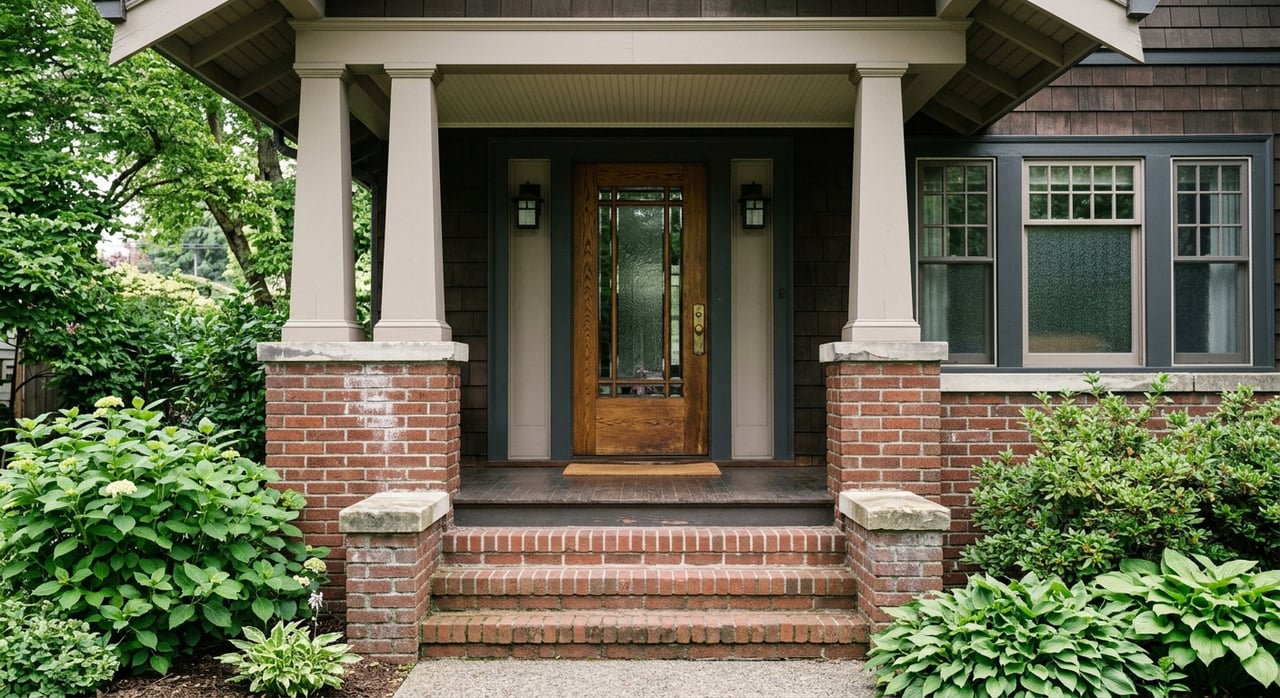
Wondering if a historic home in Monte Vista is a dream purchase or a renovation surprise waiting to happen? If you love architecture, original details, and the kind of neighborhood character that newer construction rarely matches, Monte Vista can be incredibly appealing. The key is knowing what you are really buying before you fall in love with the porch, windows, or roofline. Let’s walk through what matters most before you make an offer.
Monte Vista is one of San Antonio’s locally designated historic districts, with roots tied to the city’s growth from about 1890 to 1930. The area was designated as a local historic district in 1975 and later listed in the National Register in 1998. That means buyers here are often purchasing homes with both architectural significance and local preservation oversight.
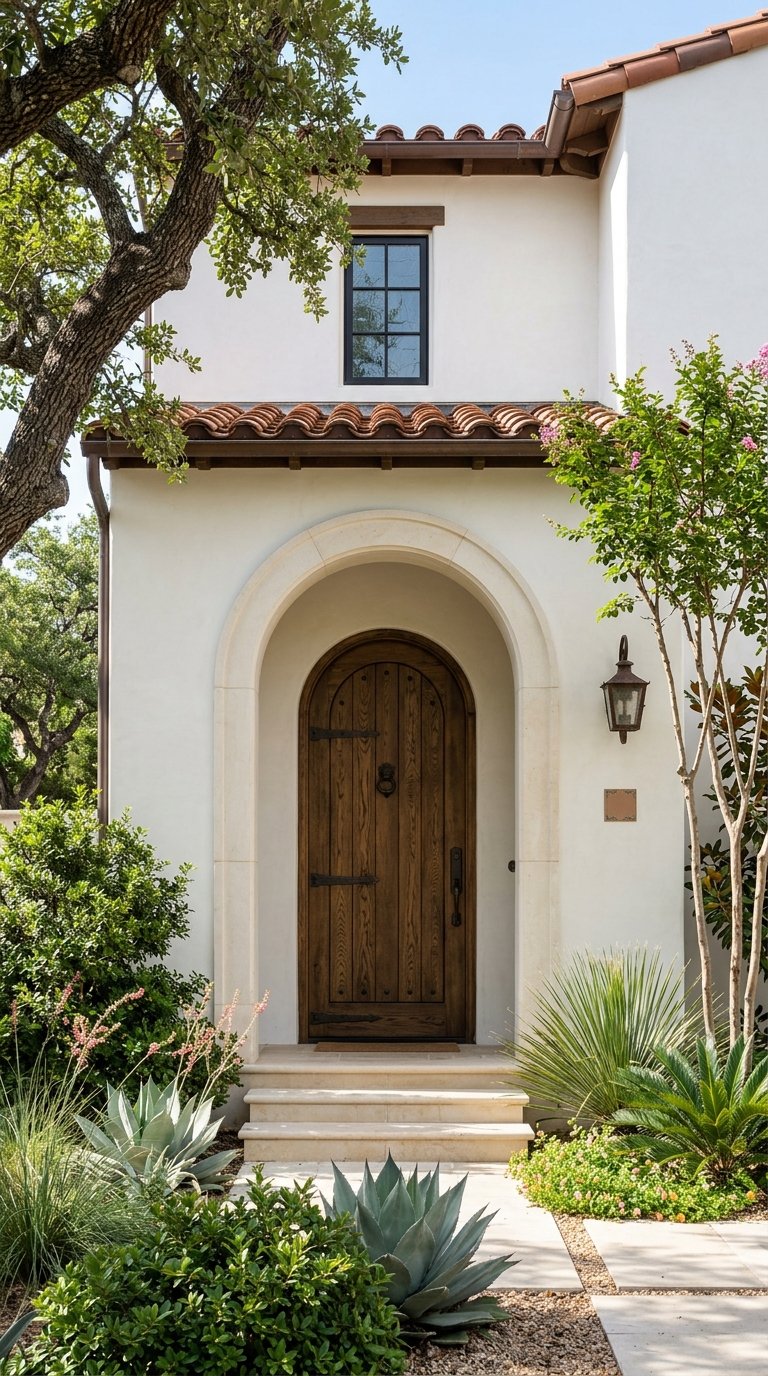
The district is roughly bounded by San Pedro, Hildebrand, McCullough, Shook, and Ashby. The city describes Monte Vista as a Gilded Age neighborhood, and its homes often reflect early-20th-century Classical Revival, Tudor, Spanish Eclectic, Queen Anne, and Craftsman styles. If you are drawn to design and original character, this is exactly the kind of place where details matter.
Buying a historic home in Monte Vista is not just about square footage or finishes. You are also buying original proportions, craftsmanship, and exterior elements that help define the home’s historic character. In many cases, those details are part of what makes the property valuable and memorable.
Character-defining features often include:
In practical terms, that means features like porch design, window openings, muntin patterns, roof shapes, and original materials are important. If those original elements are still intact, the City of San Antonio generally prefers repair over replacement whenever possible.
This is one of the most important parts of buying in Monte Vista. Because it is a local historic district, exterior work on the property requires a Certificate of Appropriateness from the city, even if the work is not visible from the street. That surprises many buyers who assume only front-facing changes are regulated.
Interior-only work that does not affect exterior windows or doors generally does not need Office of Historic Preservation approval, though a building permit may still be required. Minor projects may qualify for administrative approval, but unapproved work can lead to a stop-work order and a $500 post-work application fee. If you are planning updates, it is smart to understand the approval process before you close.
A beautiful historic house can still be the right purchase, but you want clear answers early. Historic-home due diligence should go beyond a standard showing and a quick inspection summary. You should verify both the property’s designation status and the history of major exterior work.
Before buying, ask for documentation related to:
You should also confirm the exact designation status of the property rather than assume it based on the address or appearance. The city’s tools are designed to show whether a property is in a historic district, is individually designated, or falls into another regulated category. That distinction can shape what work is allowed and how future projects are reviewed.
Older homes can be incredibly durable, but they need the right kind of care. In Monte Vista, moisture management is one of the biggest practical issues to understand. Poorly functioning gutters and downspouts, standing water near the foundation, splashback from hard surfaces, and vegetation too close to exterior walls can all speed up deterioration.
Foundation conditions also deserve careful attention. The city notes that many historic San Antonio houses have pier-and-beam foundations, which can shift over time but are often easier to repair than slab-on-grade foundations. Good drainage, proper ventilation, and keeping vegetation away from the foundation all matter here.
When you tour a home, pay close attention to signs that maintenance has been thoughtful rather than cosmetic. A house with preserved materials and a strong repair history may be a better long-term buy than one with fast updates that ignored historic building needs.
Wood windows are one of the biggest decision points in historic homes. The city recommends preserving historic windows when possible and replacing them only when deterioration is severe. Many issues, including broken glass, broken sash cords, or partial rot, may still be repairable.
As a general rule, replacement becomes more appropriate when about 50% or more of a window’s components would need reconstruction. If replacement is necessary, the new windows should match the original in size, configuration, material, and detail. For buyers, that means window quality is not just a cosmetic issue. It can affect future costs, approval requirements, and the home’s historic integrity.
Masonry and stucco also need careful treatment. The city recommends gentle cleaning methods and specifically advises against sandblasting and high-pressure cleaning. If repointing is needed, the mortar should match in color, profile, and composition.
In Monte Vista, the roof and porch are often central to the home’s architectural identity. They are not just decorative features. The city recommends preserving the original roof shape and overhang, and it also encourages regular gutter cleaning as part of long-term care.
Porches should generally be repaired rather than enclosed or removed. If a porch has been altered, that is worth discussing before purchase because it may affect both future restoration plans and how the home fits within district guidelines. For buyers who love historic curb appeal, this is one of the clearest areas where preservation and value often overlap.
If you are buying in Monte Vista with plans to renovate, assume that preservation expectations should shape your budget from the beginning. Historic houses were designed to be repaired over time, and the city’s guidance often favors repair first. That can be good for authenticity, but it may require more specialized planning than a standard remodel.
Substitute materials can sometimes be used, but only when they closely mimic the original in size, scale, and character. The city advises repairing original wood siding first and discourages wholesale replacement with composite or artificial siding. In other words, quick shortcuts are usually not the right path in a home like this.
If you want to add square footage, plan for limits. City guidance says additions should be subordinate to the original structure and are generally preferred at the side or rear. Similar roof form and pitch, along with a clear distinction between old and new, are also part of the review approach.
Historic does not have to mean inefficient. The city notes that energy upgrades are possible without stripping away the home’s defining features. Lower-impact improvements like air-sealing and improving existing windows and doors may be a better first step than immediate replacement.
For some homes, full-view storm windows may be appropriate if they are placed carefully and do not obscure historic details. If efficiency is one of your priorities, the right question is not whether improvements are possible. It is how to make them in a way that respects the architecture.
One common misconception is that historic designation automatically raises property taxes. According to the city, property taxes are based on assessed value, not designation alone. That said, neighborhood desirability and future valuation changes can still influence what you pay over time.
If you are planning a substantial rehabilitation, San Antonio currently advertises city historic-rehabilitation tax options for designated properties, including a 10-year tax freeze or a five-zero/five-fifty option. Fee waivers may also be available when a project qualifies, subject to program rules and funding. These are the kinds of details worth exploring before you finalize your renovation budget.
Monte Vista can be a great fit if you value architecture, craftsmanship, and the experience of living in a neighborhood where original design still matters. It also works best for buyers who are comfortable with planning, maintenance, and local review processes. A historic home here is rarely a set-it-and-forget-it property.
If you are thoughtful about due diligence, clear about your renovation goals, and realistic about upkeep, buying a historic home in Monte Vista can be deeply rewarding. You are not just buying a house. You are buying into a piece of San Antonio’s architectural story.
If you are considering a historic home in Monte Vista and want a guide who understands design, neighborhood context, and the details that can shape your decision, Claudia Wheeler would be glad to help you navigate the process with care.
Get assistance in determining current property value, crafting a competitive offer, writing and negotiating a contract, and much more. Contact me today.
Get In Touch With Me To Learn More
CLAUDIA BERTEAUX
6061 Broadway San Antonio, TX 78209