Understanding The Hill Country Luxury Home Market
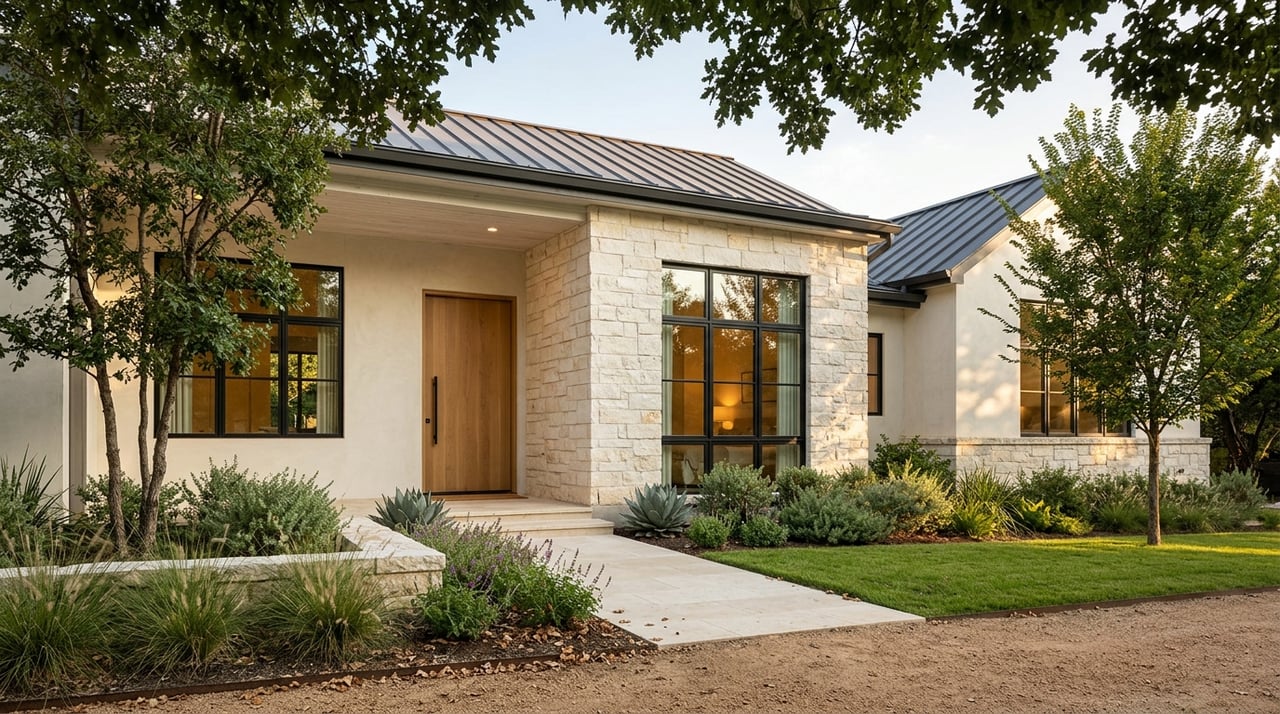
If you are watching the Hill Country market and wondering what “luxury” really means right now, you are not alone. In North San Antonio and nearby Hill Country areas, the luxury tier is active, but it is also more measured and selective than many buyers and sellers expect. Understanding where the market starts, what drives value, and how homes are performing can help you make smarter decisions in Northern Hills Country Village and the broader Bexar County luxury landscape. Let’s dive in.
In the San Antonio-New Braunfels market, luxury is more attainable than in many major metros. According to Realtor.com’s February 2026 luxury report, the local entry point for luxury was $750,510, or about 2.3 times the area median.
That makes $750,000 a practical starting point for a Hill Country luxury conversation. From there, the $1 million-plus range often represents a deeper custom-home or estate category, especially for properties with standout land, views, or architecture.
Local MLS distribution supports that distinction. SABOR’s December 2025 market stats show that homes priced from $500,000 to $749,999 made up 11.23% of sales, while the $750,000 to $1 million-plus segment made up 6.35%. In other words, luxury is meaningful in this market, but it is still a relatively small slice of overall activity.
If the market felt intense a few years ago, today’s environment is different. Buyers generally have more inventory to consider, more time to compare options, and less pressure to make rushed decisions.
SABOR’s December 2025 data reported 14,441 active listings, 5.25 months of inventory, and 92 days on market across the broader San Antonio area. It also showed that 91.2% of homes sold close to original list price, which suggests a market that is balanced rather than overheated.
At the state and regional level, the same pattern shows up. TRERC’s March 2026 Texas Housing Insight described San Antonio as moving through a normalization phase, with price pressure still present entering 2026 and a more predictable seasonal pattern returning.
A slower market does not mean a stalled market. It means buyers are more selective, and sellers need stronger positioning.
The luxury segment continues to move, and Texas has seen meaningful demand at the top end. Texas REALTORS reported that homes priced at $1 million or more reached 14,418 sales in 2025, up 12% year over year. San Antonio-New Braunfels represented 5% of those million-dollar sales, which confirms that higher-end activity matters here.
That said, luxury buyers are taking their time. Realtor.com’s luxury report found that San Antonio luxury homes had a median 110 days on market in February 2026. That is a healthy reminder that strong homes still sell, but pricing, presentation, and differentiation matter.
In a market like Northern Hills Country Village and the broader northern Bexar corridor, value is about more than square footage. Buyers in this segment often compare homes based on the features that are hardest to recreate.
Land continues to carry weight in the Hill Country conversation. NAR’s 2025 buyer survey found that 17% of buyers said larger lots or acreage were important.
That preference matters even more in a region where land is a scarce asset. TRERC land data cited in the research shows broader Hill Country land values at $7,911 per acre, while smaller tracts reached $17,529 per acre in late 2025. For luxury buyers, that means lot size, usability, setback, and privacy can significantly shape value.
In North San Antonio and the Hill Country edge, site quality can be just as important as interior finishes. A home with a higher vantage point, natural topography, and long-range views offers something that updates alone cannot easily replicate.
Recent local market coverage continues to highlight this pattern. For example, a May 2025 North San Antonio luxury listing featured by the San Antonio Current emphasized Hill Country views, a high vantage point, large windows, and outdoor living on 1.5 acres. Those are the kinds of characteristics that often help a property stand out in the upper tier.
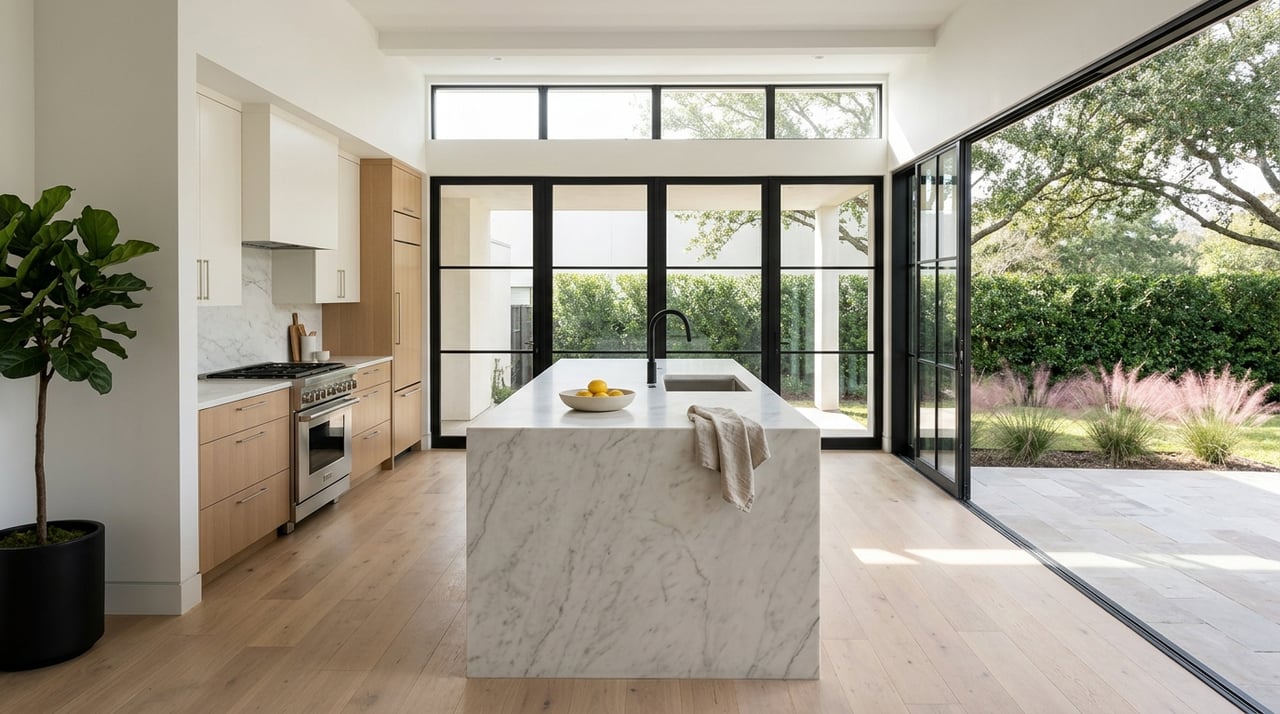
Custom design can support value, but only when it feels thoughtful and functional. In luxury homes, buyers often respond to strong natural light, indoor-outdoor flow, appealing proportions, and materials that feel lasting rather than trendy.
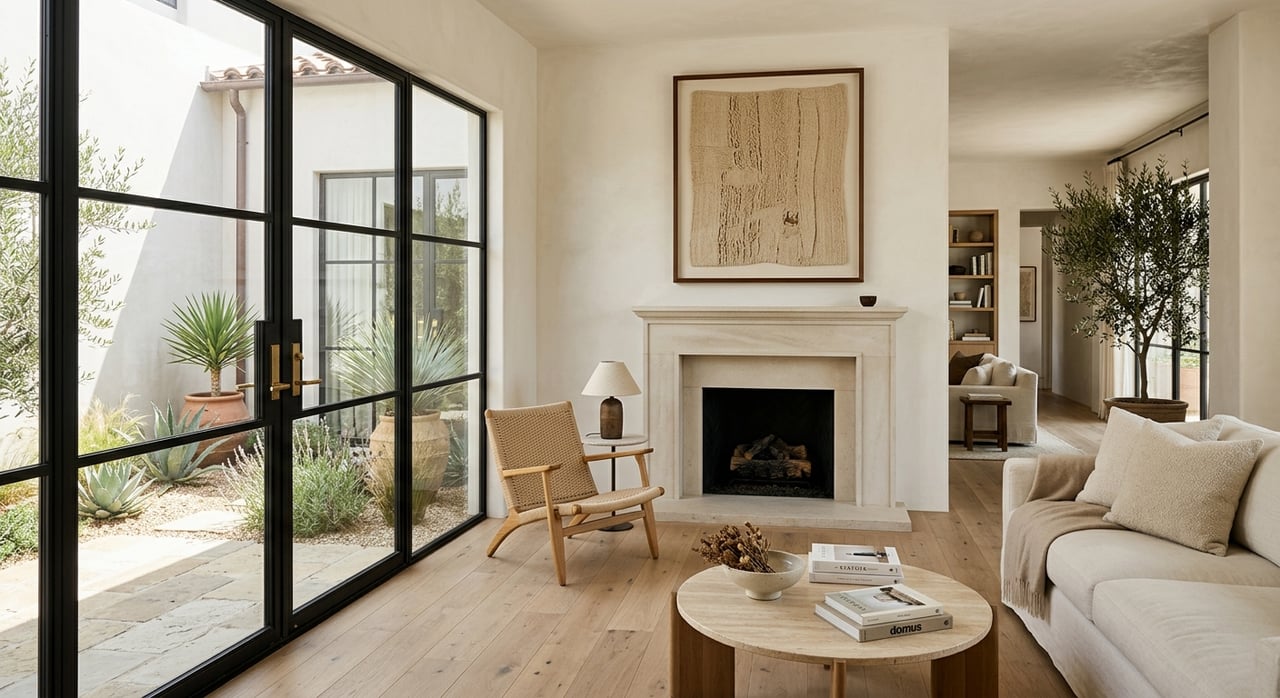
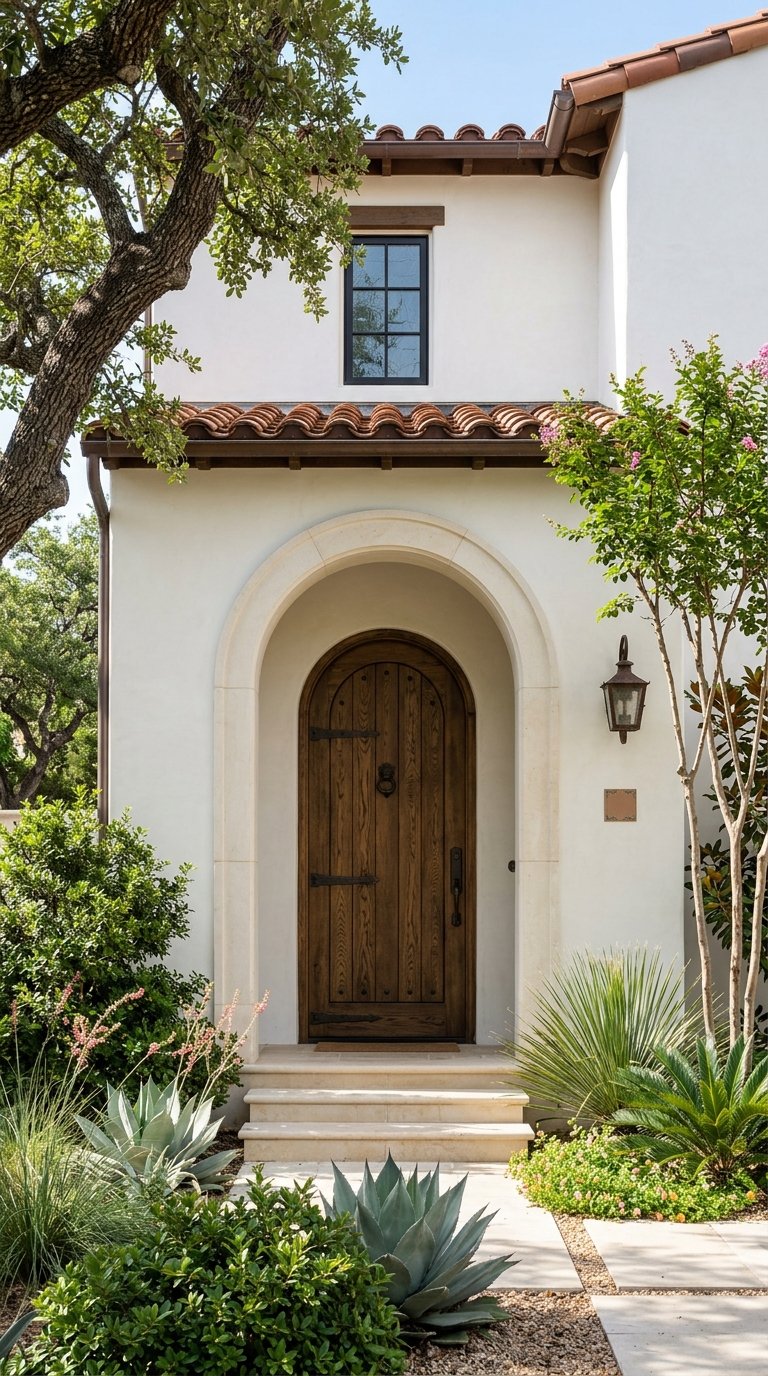
Realtor.com’s 2025 architecture and style trends analysis noted that modern and Mediterranean homes tend to sit at the higher-price end of the market. It also highlighted features like biophilic design, floor-to-ceiling glass, and strong indoor-outdoor connection as fast-growing preferences in higher-end housing.
For buyers, this means design still matters. For sellers, it means architecture helps most when it is paired with broad appeal, smart layout decisions, and excellent presentation.
If you are shopping in the Hill Country luxury tier, patience can work in your favor. With homes taking longer to sell than they did at the peak, you have more room to compare lot quality, view potential, floor plans, and finish levels before making a decision.
A practical approach is to look beyond headline price and focus on what is truly hard to replace. Ask yourself:
In this market, careful comparison often creates better long-term value than moving quickly just to secure a property.
If you are preparing to sell a luxury home, the market is still receptive, but it is less forgiving. Buyers are paying attention to pricing, condition, and how clearly a property’s advantages are presented.
The strongest listings usually combine several things at once: a compelling location, desirable site characteristics, a flexible floor plan, and polished presentation. Homes without those advantages can still sell, but they need to be priced against recent comparable sales rather than older peak-market expectations.
That is where strategy matters. In a more selective environment, thoughtful preparation, design-aware marketing, and pricing discipline can make the difference between steady interest and a listing that lingers.
Luxury listings often tell a lifestyle story, but you still want to separate marketing language from true value. A beautiful kitchen or dramatic staging can be a plus, yet the deeper drivers of price tend to be more structural.
When reviewing a home, focus on these fundamentals:
This is especially important in areas tied to the Hill Country lifestyle, where two similarly priced homes may offer very different long-term value depending on site quality and design execution.
The upper-end market is rarely just about numbers. In places like Northern Hills Country Village and the greater north-side corridor, small differences in location, land, orientation, and design can change both buyer demand and pricing outcomes.
That is why local context matters so much. A luxury home with strong views, privacy, and cohesive presentation may earn attention even in a slower market, while a larger home without those strengths may need sharper pricing to compete.
If you are buying or selling in this segment, working with someone who understands design, presentation, and the nuances of San Antonio’s luxury neighborhoods can help you see the market more clearly. If you are ready for tailored guidance on Hill Country and North San Antonio luxury real estate, connect with Claudia Wheeler.
Get assistance in determining current property value, crafting a competitive offer, writing and negotiating a contract, and much more. Contact me today.
Get In Touch With Me To Learn More
CLAUDIA BERTEAUX
6061 Broadway San Antonio, TX 78209